
SIDEBAR 1: SKEPTICS ARE THE OPPONENTS, NOT CATHOLICS
SIDEBAR 1: SKEPTICS ARE THE OPPONENTS, NOT CATHOLICS
Author’s Note: Although this book discusses Catholic and Protestant disagreements, its primary purpose is to show that standards of historical evidence have not been applied consistently.
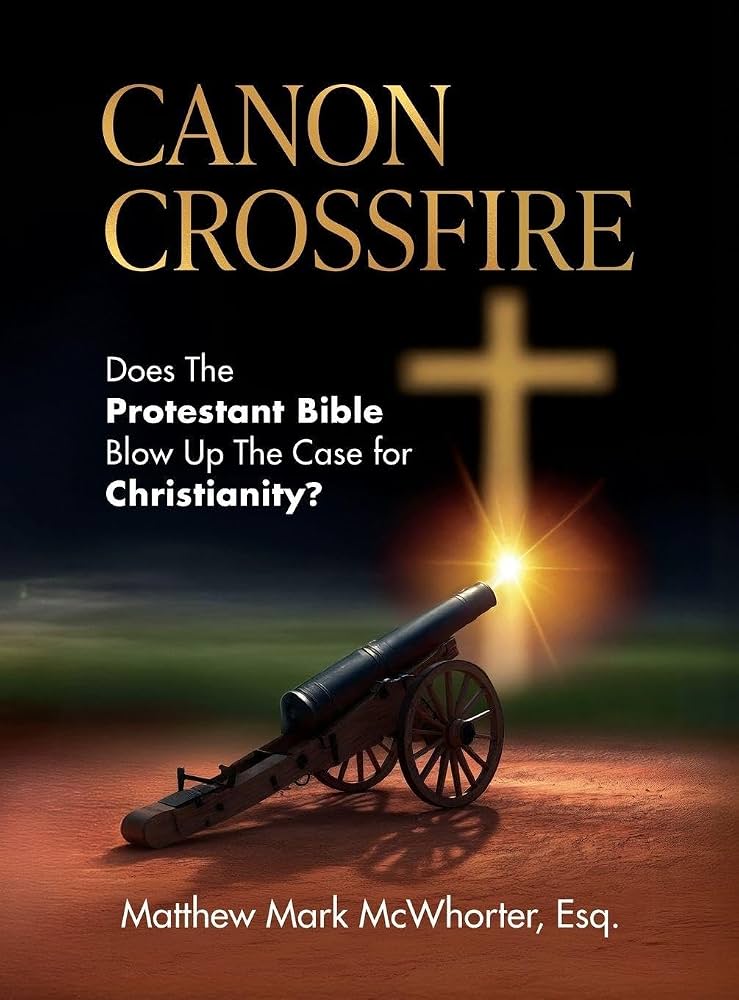
We will see repeatedly that whatever looks pathetically weak for Catholics and the Apocrypha will suddenly look rock solid for showing atheists that the Bible is The Truth. The point of this book is that such views are in conflict, and the claims made against Catholics would defeat the case for Christianity. The questions I am focused on are simple, factual questions, and the decisions of Catholics (modern Catholics, not anyone before 450 AD) really have nothing to do with either the questions or the answers. What is needed is an examination of all the evidence for and against the Apocrypha and consideration of how it ties into the case for Christianity.
So, take my advice: forget the Pope. Focus on the evidence, without distraction. To help, I quote from very few Catholics herein—and only when I have to.
Still, I am a believer that after reviewing the evidence, one should read the arguments from all sides, then follow the Truth wherever it leads. On that note, the leading Catholic books on the topic of late have come from Gary Michuta (Why Catholic Bibles Are Bigger, The Case for the Deuterocanon, and 15 Myths, Mistakes and Misrepresentations about the Deuterocanon), and I heartily recommend reading them all, along with all the Protestant books on the canon that I mention herein.
Otherwise, this book is not about Catholicism. It is an attempt to: (1) be the definitive book report on possible New Testament references and “citation evidence” from the early Church, all of which I have sorted, organized and presented in the manner that makes the most sense for someone who actually wants to read them rather than read about them; (2) stress various interconnections and analytics that seem to have been missed; and (3) bring the canon debate into the context of the case for Christianity, the way I encountered it, which I believe sheds a whole new light on what the evidence is and how to honestly evaluate it.

You will find no mention of the Council of Trent in Canon Crossfire, because it is completely irrelevant to the point. However, I would note that trying to change the subject is one common method of both living in denial and trying to mislead others. And Trent is as much of a change of subject as purgatory, Mary, or the crimes of Popes. (As, for that matter, is discussion of theological and other reasons for not including the Apocrypha in the canon. Frankly, most such discussions in the case for Christ just give everyone a good reason to be atheist – if indeed a Protestant successfully proves that the early Christians were ignorant fools to accept the fake/bad/whatever books).